
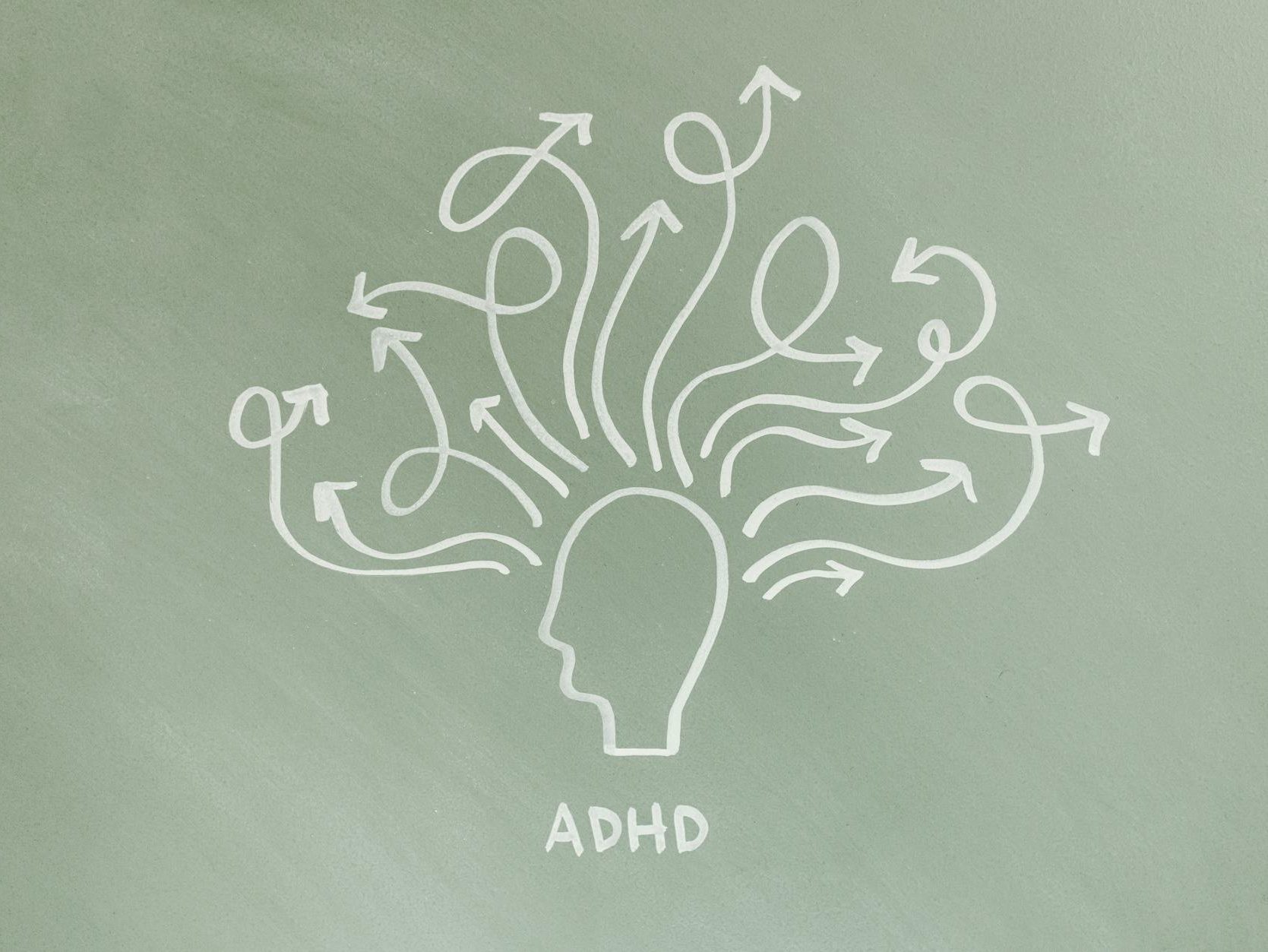
ADHD + Nutrition = ???
Written by: Martha Junestita
What is ADHD??
Attention Deficit Hyperactivity Disorder is a neurodevelopmental condition when individuals exhibit hyperactivity, inattention and impulsivity that can affect day-to-day life including food and nutrition intake, academic performance, social life and relationships.
A study in 2012 has shown that genetic factors are believed to have a significant role in the cause of ADHD, individuals who have parents or siblings with ADHD are more likely associated with ADHD. According to the Diagnostic and Statistical Manual of Mental Disorders (DSM-5), ADHD is the most common neurodevelopmental disorder diagnosed in early childhood. Boys (13%) are more likely to be diagnosed with ADHD than girls (6%).
Does Nutrition Play a Role in ADHD?
ADHD is indeed a complex neurological illness and is not considered a curable disorder. However, ADHD can be effectively managed through balanced healthy whole-foods and various treatments to improve symptoms and quality of life for ADHD individuals. Other treatments like medication and psychological therapies intend to reduce symptoms as well.
– What kind of nutrition challenges individuals with ADHD could experience?
It could be loss of appetite due to stimulant medication, forgetting to eat during the day, binge eating or over-eating at night and food sensitivities or selective food intake. ADHD symptoms such as inattention, poor planning and self-regulation deficit can also impact eating habits and behaviour which could lead to abnormal eating behaviours.
– What is the appropriate diet for ADHD?
A well-balanced diet can play a significant role in managing the symptoms. A diet contains generous amounts of fruits and vegetables, complex carbohydrates like whole grains and legumes, rich in protein foods and healthy-fat foods like fatty fish and avocados. There is no specific diet for ADHD but a well-balanced and whole-food diet may help improve focus, attention, overall behavior and help them meet their nutritional needs
Blood Sugar Level and ADHD?
Sugar is not the cause of ADHD, there is insufficient evidence that sugar can directly affect individuals with ADHD. However, it can impact some symptoms associated with ADHD.
When ADHD individuals have a high intake of sugar, particularly simple sugar like soda and sweets, it causes a rapid increase in blood sugar levels and the body will immediately release energy for physical activity which can lead to hyperactivity in some individuals with ADHD. After increasing, blood sugar levels can also drop rapidly which can affect energy, mood and concentration levels. It’s highly recommended for ADHD individuals to keep their blood sugar stable or consistent to maintain their energy, mood and focus.
Generally speaking, managing sugar intake and paying attention to blood sugar levels are crucial for overall health conditions.
Omega-3 Fatty Acid
Polyunsaturated fatty acids like omega 3 are important in preventing and treating psychological and behavioural dysfunction disorders. EPA and DHA are crucial for brain health and play important roles in various physiological processes that can impact overall neurological function.
Consuming foods rich in omega-3 like salmon, tuna, flaxseed, chia seeds and walnuts will be beneficial for ADHD individuals as it could reduce the symptoms. While omega-3 supplements could help individuals meet their omega-3 needs, they should not be a substitute for whole foods rich in omega-3.
Source:
1. Thapar, A. & Cooper, M. (2015). Attention Deficit Hyperactivity Disorder.
https://pubmed.ncbi.nlm.nih.gov/26386541/
2. Franke, B., Faraone, S., Asherson, P., Buitelaar, J., Bau, C., Ramos-Quiroga, J., Mick, E.,
Grevet, E., Johansson, S., Haavik, J., Lesch, K., Cormand, B., & Reif, A. (2012). The
Genetics of Attention Deficit/Hyperactivity Disorder in Adults, a review.
https://www.ncbi.nlm.nih.gov/pmc/articles/PMC3449233/
3. Antshel, K., Hargrave, T., Simonescu, M., Kaul, P., Hendricks, K., Faraone, S. (2011).
Advances in understanding and treating ADHD.
https://www.ncbi.nlm.nih.gov/pmc/articles/PMC3126733/
4. Briguglio, M., Dell’Osso, B., Panzica, G., Malgaroli, A., Banfi, G., Zanaboni, C., Galentino,
R., & Porta, M. (2018). Dietary Neurotransmitters: A Narrative Review on Current
Knowledge. Nutrients. https://www.ncbi.nlm.nih.gov/pmc/articles/PMC5986471/
5. Derbyshire, E. Do Omega-3/6 Fatty Acids Have a Therapeutic Role in Children and
Young People with ADHD? (2017).
https://www.ncbi.nlm.nih.gov/pmc/articles/PMC5603098/
6. Centres for Disease and Prevention. https://www.cdc.gov/ncbddd/adhd/data.html
 MJ Dietitian